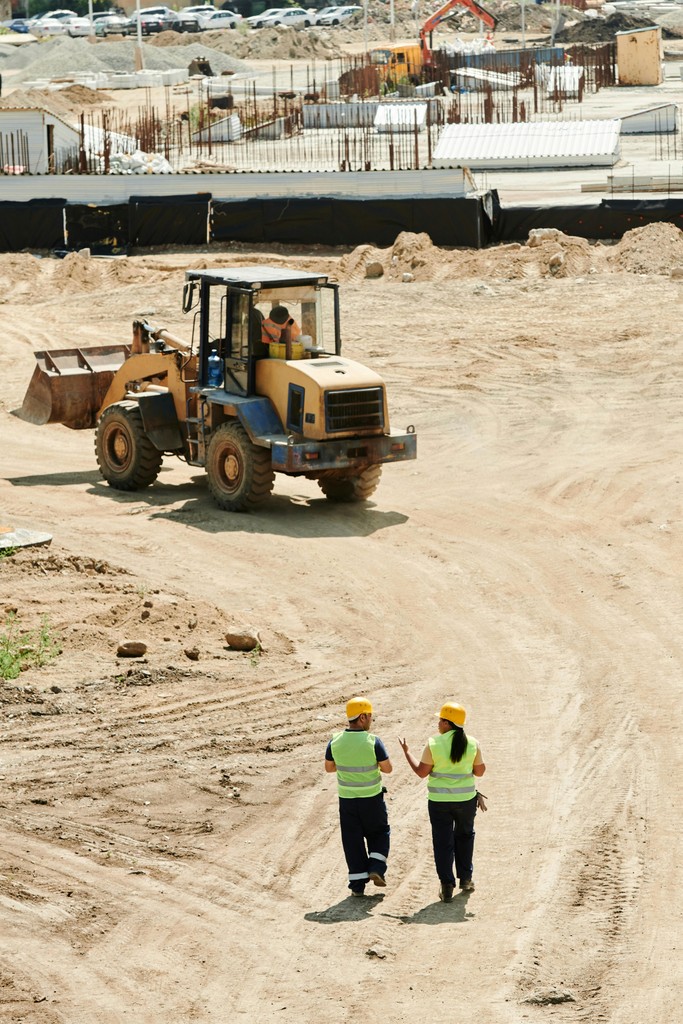
Why Practical Safety Starts with People
Why Practical Safety Starts with People
24.02.2026
4 mins
Building a strong safety culture means more than policies, it means putting people first.
In high-risk industries like construction, agriculture, and mining, safety protocols are essential, but how those protocols are communicated and implemented can make all the difference.
A practical, people-focused approach is proving to be one of the most effective ways to create lasting safety outcomes on the ground.
Listening to the People Who Use the System
Rather than relying solely on top-down documentation, many organisations are beginning to consult directly with workers during the development of safety systems. This ensures that procedures are not only compliant, but also realistic and relevant to the day-to-day tasks of teams in the field.
Clear Communication Makes Safer Workplaces
Clarity in communication is also key. The use of plain language, visual tools and step-by-step instructions can help reduce confusion and increase compliance across all levels of a business. Safety training that feels accessible, not intimidating, has been shown to improve both understanding and uptake.
Empowerment Builds Safety Culture
When workers feel supported and involved in the process, the result is a stronger safety culture overall. Empowered teams are more likely to take ownership of safety practices, report risks, and engage in continuous improvement, leading to safer outcomes for everyone involved.
Bridging the Gap Between Policy and Practice
One of the biggest challenges in safety management is turning formal policies into everyday behaviour. This gap often stems from a disconnect between what’s written in a document and what actually happens on site. Bridging that gap requires more than just enforcement, it takes thoughtful implementation, regular check-ins, and systems designed with real working conditions in mind.
A shift toward practical, people-led safety isn’t just a nice-to-have, it’s becoming a necessity. As industries evolve and workplaces become more complex, the ability to simplify compliance while keeping people engaged and informed is what will set truly safe organisations apart.
Building a strong safety culture means more than policies, it means putting people first.
In high-risk industries like construction, agriculture, and mining, safety protocols are essential, but how those protocols are communicated and implemented can make all the difference.
A practical, people-focused approach is proving to be one of the most effective ways to create lasting safety outcomes on the ground.
Listening to the People Who Use the System
Rather than relying solely on top-down documentation, many organisations are beginning to consult directly with workers during the development of safety systems. This ensures that procedures are not only compliant, but also realistic and relevant to the day-to-day tasks of teams in the field.
Clear Communication Makes Safer Workplaces
Clarity in communication is also key. The use of plain language, visual tools and step-by-step instructions can help reduce confusion and increase compliance across all levels of a business. Safety training that feels accessible, not intimidating, has been shown to improve both understanding and uptake.
Empowerment Builds Safety Culture
When workers feel supported and involved in the process, the result is a stronger safety culture overall. Empowered teams are more likely to take ownership of safety practices, report risks, and engage in continuous improvement, leading to safer outcomes for everyone involved.
Bridging the Gap Between Policy and Practice
One of the biggest challenges in safety management is turning formal policies into everyday behaviour. This gap often stems from a disconnect between what’s written in a document and what actually happens on site. Bridging that gap requires more than just enforcement, it takes thoughtful implementation, regular check-ins, and systems designed with real working conditions in mind.
A shift toward practical, people-led safety isn’t just a nice-to-have, it’s becoming a necessity. As industries evolve and workplaces become more complex, the ability to simplify compliance while keeping people engaged and informed is what will set truly safe organisations apart.