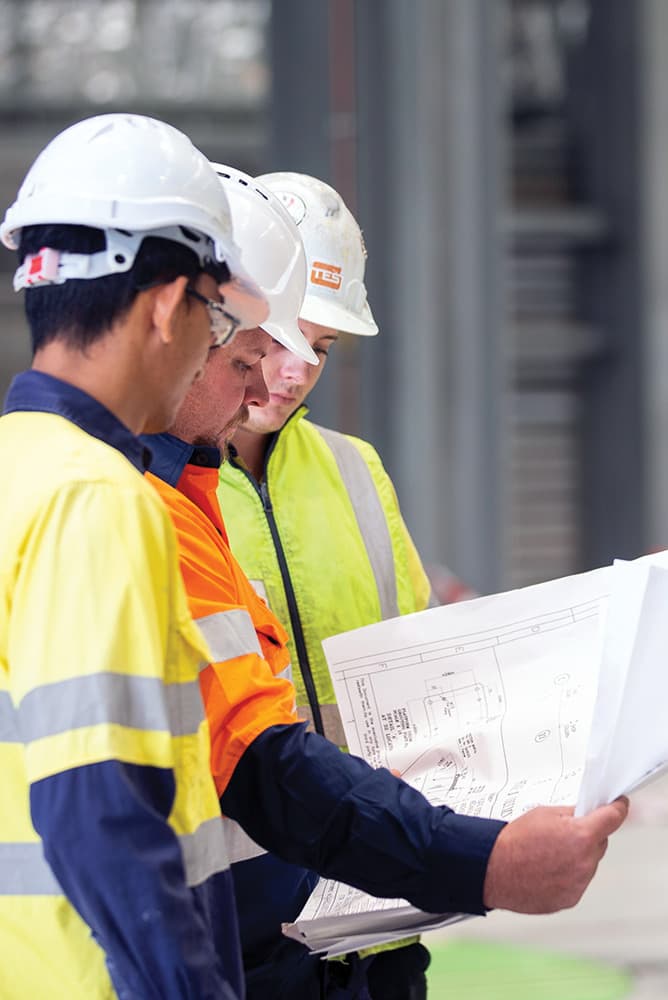
Why Risk Assessments Matter
Why Risk Assessments Matter
24.02.2026
6 mins
Safety isn’t a box to tick — it’s fundamental to protecting people, meeting legal obligations, and running a sustainable business. Risk assessments play a critical role by identifying hazards, assessing risk, and putting effective controls in place before incidents occur.
What is a risk assessment?
A risk assessment is the process of identifying hazards, evaluating the likelihood and severity of harm, and determining appropriate control measures.
Hazard: Something with the potential to cause harm
Risk: The likelihood and consequence of that harm
Control: Measures used to eliminate or reduce the risk
Why are risk assessments important?
Proactively prevent injuries and incidents
Reduce costs associated with injuries, downtime, and insurance
Are a legal requirement under WHS legislation, particularly for high-risk work
Support productivity by creating safer, more confident workplaces
The risk management process
Risk assessment sits within a broader risk management framework:
Identify hazards — what could cause harm?
Assess risk — how likely is it, and how severe could the outcome be?
Control risks — implement measures that are reasonably practicable
Review controls — ensure they remain effective over time
Each step is essential — risks cannot be controlled effectively without first being identified and assessed.
What does “reasonably practicable” mean?
Under WHS legislation, duty holders must do what is reasonably practicable to eliminate or minimise risk. This considers:
The likelihood of the hazard
The severity of potential harm
What is known (or should be known) about the risk
The availability and effectiveness of controls
Cost, weighed against the level of risk
Decisions must be made objectively — prioritising safety over convenience or cost where risk is significant.
The importance of consultation
Consultation with workers is a legal requirement and a practical necessity. Workers often have the best insight into how tasks are actually performed and where risks exist. Involving workers and health and safety representatives leads to more accurate risk assessments and more effective controls.
Identifying hazards in your workplace
Hazard identification starts with observation. Walk the site, review how tasks are performed, assess equipment, and consider changes to the workplace. Speak with workers, review incident and near-miss records, and refer to industry guidance and safety data sheets. Every identified hazard should be documented — even those already controlled.
Assessing risk effectively
Once hazards are identified, assess:
Severity: What harm could occur, and who could be affected?
Mechanism: How could the hazard cause harm?
Likelihood: How often is the task performed, and how likely is an incident?
A risk matrix can assist by visually ranking risks based on likelihood and consequence, helping prioritise controls where they are most needed.
Safety isn’t a box to tick — it’s fundamental to protecting people, meeting legal obligations, and running a sustainable business. Risk assessments play a critical role by identifying hazards, assessing risk, and putting effective controls in place before incidents occur.
What is a risk assessment?
A risk assessment is the process of identifying hazards, evaluating the likelihood and severity of harm, and determining appropriate control measures.
Hazard: Something with the potential to cause harm
Risk: The likelihood and consequence of that harm
Control: Measures used to eliminate or reduce the risk
Why are risk assessments important?
Proactively prevent injuries and incidents
Reduce costs associated with injuries, downtime, and insurance
Are a legal requirement under WHS legislation, particularly for high-risk work
Support productivity by creating safer, more confident workplaces
The risk management process
Risk assessment sits within a broader risk management framework:
Identify hazards — what could cause harm?
Assess risk — how likely is it, and how severe could the outcome be?
Control risks — implement measures that are reasonably practicable
Review controls — ensure they remain effective over time
Each step is essential — risks cannot be controlled effectively without first being identified and assessed.
What does “reasonably practicable” mean?
Under WHS legislation, duty holders must do what is reasonably practicable to eliminate or minimise risk. This considers:
The likelihood of the hazard
The severity of potential harm
What is known (or should be known) about the risk
The availability and effectiveness of controls
Cost, weighed against the level of risk
Decisions must be made objectively — prioritising safety over convenience or cost where risk is significant.
The importance of consultation
Consultation with workers is a legal requirement and a practical necessity. Workers often have the best insight into how tasks are actually performed and where risks exist. Involving workers and health and safety representatives leads to more accurate risk assessments and more effective controls.
Identifying hazards in your workplace
Hazard identification starts with observation. Walk the site, review how tasks are performed, assess equipment, and consider changes to the workplace. Speak with workers, review incident and near-miss records, and refer to industry guidance and safety data sheets. Every identified hazard should be documented — even those already controlled.
Assessing risk effectively
Once hazards are identified, assess:
Severity: What harm could occur, and who could be affected?
Mechanism: How could the hazard cause harm?
Likelihood: How often is the task performed, and how likely is an incident?
A risk matrix can assist by visually ranking risks based on likelihood and consequence, helping prioritise controls where they are most needed.